
Energy-Efficient Facade Lighting Systems in 2026
Updated: Jan 26
As cities continue to grow smarter and more sustainability-focused, energy-efficient facade lighting systems are no longer a “nice to have” they are becoming a necessity. In 2026, building owners, architects, and developers are under increasing pressure to balance visual impact with environmental responsibility. The good news? Modern facade lighting solutions are proving that you don’t have to sacrifice beauty for efficiency.
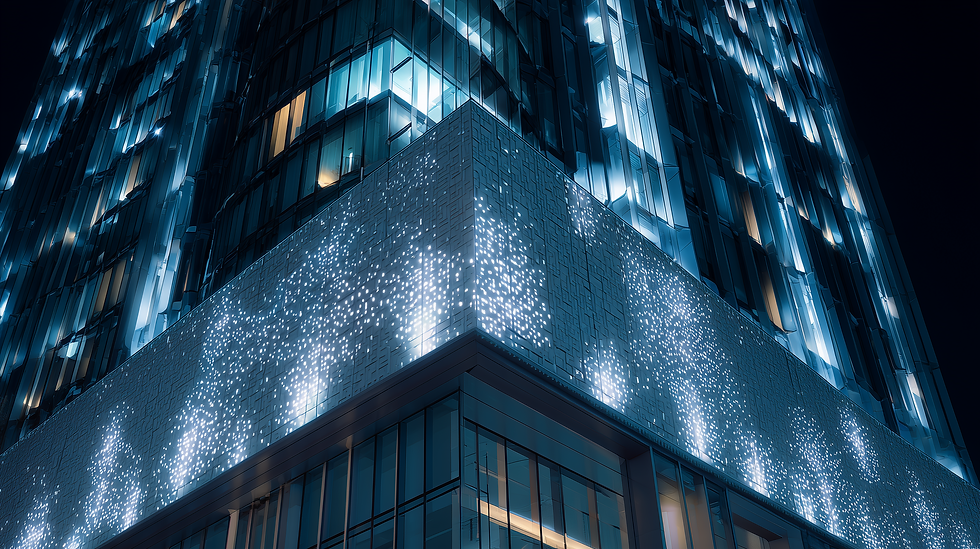
From iconic skylines to commercial buildings and mixed-use developments, energy-efficient architectural lighting is reshaping how structures look and perform after dark.
Why Energy Efficiency Matters More Than Ever?
Energy costs are rising globally, and governments are tightening regulations around carbon emissions and power consumption. Exterior building lighting, especially facade lighting, can consume a significant amount of energy if poorly designed or outdated.
In 2026, energy efficiency is driven by three main factors:
Sustainability goals (net-zero buildings, green certifications)
Operational cost reduction
Smart city initiatives
Facade lighting that once relied on high-wattage floodlights is now being replaced by intelligent, low-power systems that deliver the same or better visual results.
LED Technology: Still Leading the Way
LEDs continue to dominate facade lighting systems in 2026, but they’ve evolved significantly. Today’s LED fixtures offer:
Higher lumen output with lower wattage
Improved color accuracy and consistency
Longer lifespans (often 50,000–70,000 hours)
Better heat management
For architectural lighting, this means precise illumination that highlights textures, materials, and building geometry without excessive energy use. LEDs also allow designers to control light distribution more accurately, avoiding unnecessary spill and glare.
Smart Controls Make a Big Difference
One of the biggest shifts in energy-efficient facade lighting is not just the fixture but the control system behind it.
Modern systems now integrate:
Dimming schedules based on time or activity
Motion and ambient light sensors
DMX and DALI controls for dynamic lighting
IoT-based monitoring for real-time energy tracking
For example, a commercial tower may operate at full brightness during peak evening hours and automatically dim late at night when visibility requirements are lower. This simple adjustment can reduce energy consumption by up to 40% without affecting aesthetics.
Media Facade Lighting: Efficiency Meets Experience
In 2026, media facade lighting is no longer reserved only for landmark projects. Thanks to efficient LED pixels and advanced controllers, media facades are becoming more energy-conscious and scalable.
Modern media facades:
Use low-power RGB or RGBW LEDs
Display content only during programmed hours
Adapt brightness based on ambient conditions
Replace traditional signage and large LED screens
When designed correctly, a media facade lighting can actually consume less energy than static floodlighting, while offering dynamic branding, storytelling, and event-based visuals.
Design First, Fixtures Second
One realistic mistake still seen in facade lighting projects is choosing fixtures before finalizing the lighting design. In 2026, energy efficiency starts at the design stage, not the product catalog.
A well-planned facade lighting design considers:
Building orientation and materials
Required brightness levels (not over-lighting)
Viewing distances
Maintenance access
Local climate and dust conditions
By focusing on intentional lighting rather than blanket illumination, designers can reduce fixture count and energy usage while achieving a cleaner, more premium look.
Regional Focus: Facade Lighting in Riyadh
In markets like Saudi Arabia, especially facade lighting Riyadh, energy efficiency plays a crucial role due to climate conditions and large-scale developments.
Key considerations include:
High ambient temperatures requiring efficient thermal management
Dust-resistant fixtures to maintain performance
Compliance with local energy regulations
Integration with smart city infrastructure
Many new developments in Riyadh are combining architectural lighting with solar-ready power systems and centralized controls to reduce long-term operational costs. Energy-efficient facade lighting is now part of the broader sustainability narrative of the region.
Maintenance and Longevity Matter
Energy efficiency isn’t just about power consumption it’s also about how long the system lasts. Frequent replacements increase costs, waste, and downtime.
In 2026, facade lighting systems are designed for:
Tool-free maintenance
Modular components
Remote diagnostics
Predictive maintenance alerts
Long-lasting fixtures paired with smart monitoring ensure that building lighting systems remain efficient throughout their lifecycle, not just on day one.
The Balance Between Aesthetics and Responsibility
One of the biggest misconceptions is that energy-efficient lighting looks “flat” or uninspiring. In reality, modern facade lighting proves the opposite.
With advanced optics, tunable white lighting, and dynamic controls, designers can:
Create depth and contrast
Highlight architectural details
Change moods for events and seasons
Reduce energy use simultaneously
Energy efficiency and visual impact are no longer opposing goals; they are now designed together.
Final Thoughts
As we move through 2026, energy-efficient facade lighting systems are setting a new standard for how buildings are illuminated. Whether it’s a corporate headquarters, a hospitality project, or a large-scale media facade lighting installation, the focus is clear: smarter, cleaner, and more responsible lighting.
By combining efficient LED technology, intelligent controls, thoughtful design, and region-specific planning especially in fast-growing markets like facade lighting Riyadh building owners can achieve striking night-time identities without unnecessary energy consumption.


Comments