
What is Facade Lighting?
Updated: Dec 3, 2025
When you look at a beautiful building glowing at night whether it’s a hotel, a shopping mall, a villa, or a tall skyscraper that you are seeing is facade lighting.
Facade lighting is the art and technique of lighting the exterior (the facade) of a building. It makes the building look attractive, highlights the design, adds safety, and creates a special mood after sunset. Today, facade lighting has become an important part of modern architecture all around the world.
In this detailed guide, we will explain everything about facade lighting:
what it is, why it matters, how it works, the types of lights used, design principles, techniques, benefits, trends, and how to choose the best solution for your building.
1. What Exactly Is Facade Lighting?
The “facade” of a building is its exterior, the part that people see first.
Facade lighting means adding lighting fixtures to the outside of a building to enhance its beauty, create visibility, and highlight architectural features.
It is not just about putting lights on a wall. It is about designing a lighting plan that matches the building's shape, materials, purpose, and style. A well-designed facade lighting system can completely transform a simple building into a stunning landmark at night.
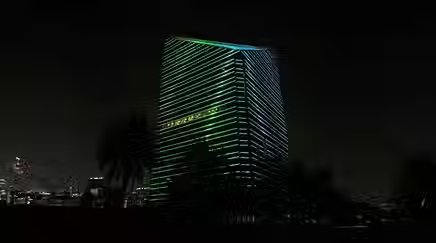
For example: Bank Al Bilad, Dubai Chamber of Commerce.

Why Is Facade Lighting Important?
Facade lighting plays a much bigger role than simply making a building visible at night. It shapes the way a building looks, how people feel when they see it, and even how the surrounding area functions.
Enhances the Building’s Beauty
Good lighting can completely transform the appearance of a building after sunset. It highlights details that often go unnoticed during the day, such as:
The natural lines and curves of the structure
Textures like stone, wood, aluminum panels, or decorative cladding
Unique colors and materials used on the facade
Architectural elements like balconies, windows, edges, and entrances
When these features are lit correctly, the building gains depth, dimension, and character. Instead of blending into the darkness, it becomes visually striking and stands out beautifully in its surroundings.
Creates a Strong Identity for the Building
Facade lighting helps a building express its personality. For businesses, this is extremely valuable. Hotels, shopping malls, showrooms, restaurants, and corporate offices often use lighting to create a look that people can immediately recognize almost like a visual signature.
A carefully designed lighting scheme can turn an ordinary building into a local landmark. In many cities, iconic buildings are known not just for their shape but for the way they glow at night. This uniqueness helps attract visitors and builds a stronger brand identity.
Improves Safety and Visibility
A well-lit building exterior makes the area around it much safer. Lighting brightens:
Walkways and footpath
Entrances and exits
Parking areas
Surrounding open spaces
This helps people move around the building comfortably and confidently at night. It also reduces the risk of accidents and discourages unwanted activities by keeping dark areas visible.
Increases Property Value and Appeal
Lighting has a direct impact on how people perceive a building. A beautifully illuminated facade gives the impression of quality, care, and modern design. This increases the building’s overall appeal and can positively influence property value.
Well-lit properties are more inviting and create a sense of trust. Whether it’s a commercial building attracting customers or a residential villa creating a warm welcome, good lighting always enhances the experience.
Supports the Nighttime Economy
Many businesses rely heavily on how appealing they look after dark. Shops, cafes, restaurants, and commercial buildings use facade lighting to draw attention and invite customers inside. A lively, well-lit street encourages people to walk, shop, dine, and explore helping the local economy grow.
Saves Energy with Modern LED Technology
Today’s facade lighting mostly uses LED technology, which offers:
Very low energy consumption
Long lifespan
Minimal maintenance
Higher brightness with less power
Color options and control features
This means buildings can look impressive at night without wasting electricity. LEDs make facade lighting environmentally responsible, cost-saving, and sustainable in the long run.
How Facade Lighting Works?
Facade lighting may look magical from the outside, but behind that beauty is a thoughtful combination of planning, design, and technology. The goal is not just to brighten a wall, but to enhance the character of the entire building using light.
Let’s know more about it:
Understanding the Building First
Every facade lighting project begins with studying the building itself. Designers carefully observe:
The shape and height of the structure
The materials used (stone, glass, metal, concrete, etc.)
The architectural style ; modern, classic, traditional, industrial
Key features like columns, edges, textures, or decorative elements
The surrounding environment, including nearby buildings and natural light sources
This step helps them understand what should be highlighted, what should remain subtle, and how the building should look at night.
Planning the Lighting Concept
After understanding the building, designers create a lighting concept, the overall idea of how the building should appear at night. The goal could be:
To make the building look simple and elegant
To highlight its unique architectural features
To create a modern, futuristic look using linear lights
To add color-changing effects for a dynamic appearance
To make the structure visible and welcoming
The concept serves as a creative blueprint for the rest of the design.
Selecting the Right Lighting Techniques
Different lighting techniques create different moods. Designers decide whether to use:
Wall washing for a smooth, even glow
Grazing to highlight textures and shadows
Accent lighting to focus on important features
Uplighting to make the building look taller
Downlighting to create soft, welcoming light around entrances
Linear lighting for clean, continuous outlines
Dynamic RGB lighting for colorful effects
Choosing the right technique is what gives the building its personality at night.
Using the Right Fixtures and Equipment
Not all lights are suitable for facade lighting. Outdoor lighting requires fixtures that are:
Waterproof (IP65 or higher)
Heat-resistant
Durable against dust, rain, and strong sunlight
Energy efficient
Easy to maintain
Common fixtures include wall washers, spotlights, uplights, linear lights, and RGB pixel lights.
Each fixture has a specific purpose, some create soft light, some highlight details, and others create movement or color effects.
Positioning and Angling the Lights
How lights are placed is just as important as which lights are used. Designers position fixtures to:
Avoid harsh shadows
Prevent glare from hitting people’s eyes
Ensure balanced lighting across the facade
Highlight the right architectural elements
Create depth and dimension
Even a small change in angle can affect how a building looks, so placement is done very carefully.
Choosing the Correct Color Temperature
Color temperature plays a major role in the final appearance:
Warm white (yellowish) creates a cozy, elegant, premium look
Neutral white looks clean and balanced
Cool white (bluish) creates a bright, modern feel
RGB colors add creativity and dynamic effects
Using the wrong color temperature can completely change the mood of the building.
Adding Smart Controls (Optional)
Modern facade lighting often includes control systems that allow:
Scheduling (lights on/off automatically)
Dimming
Changing colors
Running lighting scenes
Saving energy during late-night hours
These systems are especially useful for hotels, malls, government buildings, and event venues.
The Final Result
When all these elements come together concept, technique, fixtures, placement, and color the building transforms at night. It looks more inviting, more impressive, and more alive. The facade becomes a visual story told through light, reflecting the identity and purpose of the building.
Main Techniques Used in Facade Lighting
Facade lighting is more than just placing lights on a wall. Designers use different techniques to create depth, highlight textures, emphasize architectural details, and bring the building to life at night. Each technique has its own effect and mood.

Wall Washing
Wall washing is a technique where lights are placed at a distance from the building to evenly illuminate an entire wall or surface. This produces a smooth, soft glow across the facade.
Best for large, flat surfaces
Highlights the building’s clean lines
Creates a modern and minimalist look
Wall washing works especially well on contemporary buildings with glass, concrete, or smooth panels. It makes the structure appear elegant and uniform after sunset.
Wall Grazing
Wall grazing is the opposite of wall washing. Lights are placed very close to the surface and pointed along it to create shadows and highlights. This emphasizes textures such as:
Stone
Brick
Wood
Decorative panels
Grazing adds drama and depth, bringing out the character of the materials. It is perfect for luxury villas, boutique hotels, or historic buildings where texture is a key feature.
Accent Lighting
Accent lighting focuses on specific architectural details rather than the entire building. Designers use it to highlight:
Columns and pillars
Cornices and arches
Balconies
Window frames
Entrances
By drawing attention to these features, accent lighting guides the viewer’s eye to the most important parts of the building, creating a visually pleasing effect.
Uplighting
Uplighting uses fixtures installed on the ground that shine upward toward the facade. This technique:
Creates a dramatic and grand appearance
Makes the building look taller
Emphasizes vertical lines and textures
Uplighting is commonly used for hotels, offices, and landmarks to give them a majestic presence at night.
Downlighting
Downlighting is when lights are installed on the top of the building or on structures above the facade and shine downward. It provides:
Soft, inviting light
Even illumination along walls and entrances
A subtle, premium look
This technique is often used for residential buildings, commercial buildings, and public spaces to create a welcoming atmosphere.
Linear Lighting
Linear lighting uses long, thin LED strips to outline the building’s edges, corners, or architectural features. Its effects include:
Clean, modern lines along the structure
Continuous glow across the facade
Minimalist and elegant appearance
Linear lighting is particularly popular in contemporary commercial buildings, luxury villas, and high-rise towers.
RGB / Dynamic Color Lighting
RGB lighting allows designers to add colors and dynamic effects to facades. It can be:
Static (one color)
Color-changing
Programmed for patterns, sequences, or events
This technique is ideal for hotels, shopping malls, event venues, and cultural buildings, creating visually stunning facades that capture attention and enhance brand identity.
Media Facades
Media facades are the most advanced lighting technique. Here, the building’s exterior becomes a giant screen with thousands of LED pixels. Designers can display:
Animations
Patterns
Videos or advertisements
Interactive content
This technology turns a building into a live canvas, making it a central attraction in urban areas and commercial districts. For Example: World's Largest LED Cube - Jetex
Why Using the Right Technique Matters
Choosing the right facade lighting technique is crucial because:
It enhances the building’s unique features
Creates the desired mood and identity
Ensures energy efficiency
Improves safety and visibility
Often, designers combine multiple techniques, such as wall washing with accent lighting, to achieve depth and sophistication. Layering lights gives the building a visually rich and elegant appearance that is pleasing to viewers and memorable in the cityscape.
Types of Lights Used in Facade Lighting

Choosing the right type of light is essential to bring a facade lighting design to life. Different fixtures serve different purposes: some provide broad illumination, some highlight textures, while others create dramatic effects. Modern facade lighting relies mostly on LED technology because it is energy-efficient, long-lasting, and versatile.
Here’s a breakdown of the main types of lights used in facade lighting:
LED Wall Washers
LED wall washers are designed to illuminate large surfaces evenly. They produce a smooth, uniform wash of light that enhances the overall shape and color of the building.
Best for modern facades with flat or gently textured walls
Available in different beam angles for wide or narrow coverage
Can be mounted on the ground, walls, or rooftops
Often used in combination with accent lighting to add depth
Wall washers are perfect for shopping malls, office buildings, and contemporary villas.
Floodlights
Floodlights are powerful fixtures that produce broad beams of light to cover large areas.
Ideal for large buildings, landmarks, or monuments
Provide bright, intense illumination
Can be static or adjustable for focused areas
Often used to create bold, dramatic effects
Floodlights are great for hotels, stadiums, and government buildings where strong visibility is important.
In-Ground Uplights
In-ground uplights are installed directly into the ground and shine upward toward the facade.
Highlight vertical lines, columns, or textured surfaces
Create dramatic, elegant effects without obstructing walkways
Waterproof and built to withstand outdoor conditions
These are commonly used for luxury villas, gardens, pathways, and commercial facades to make the building appear taller and more prominent.
Linear LED Lights
Linear LED lights are long, thin strips that can be installed along edges, lines, or shapes on the building.
Create clean, continuous outlines
Offer minimalist and modern aesthetics
Can be used for both static and dynamic color effects
Ideal for contemporary commercial buildings, high-rise towers, and premium villas
Linear lighting is a favorite for architects and designers because it enhances the building’s geometric structure without overwhelming it.
Spotlights / Accent Lights
Spotlights focus light on specific architectural features such as:
Columns and pillars
Cornices and arches
Entrances and windows
They add depth and emphasis, guiding viewers’ eyes to the most important parts of the facade. Spotlights are essential for highlighting textures and unique design elements.
RGB / Pixel Lights
RGB lights, also called color-changing or dynamic lights, can produce millions of colors. Pixel lights are small LEDs that can be programmed individually.
Used for creating patterns, sequences, or animations
Perfect for events, shopping malls, hotels, and entertainment buildings
Can be synchronized with music, festivals, or seasonal decorations
These lights turn the building into a living, dynamic canvas, making it memorable and visually striking.
Neon Flex LED
Neon flex LED strips are flexible, continuous lights that can follow curves, edges, and unusual shapes.
Create smooth, flowing lines along the building
Durable and energy-efficient
Perfect for modern architectural designs and luxury projects
They are commonly used to outline windows, roofs, or decorative elements in both residential and commercial facades.
Why Fixture Selection Matters
Choosing the right combination of fixtures is essential for:
Highlighting the building’s unique features
Achieving the desired mood and style
Balancing aesthetics with energy efficiency
Ensuring durability and low maintenance
A professional facade lighting designer often mixes different fixtures, wall washers, linear lights, spotlights, and RGB LEDs to create layered, dynamic, and visually appealing illumination.
How to Design Facade Lighting?
We believe that designing facade lighting is both an art and a science. It’s not just about placing lights on a building; it’s about creating a visual experience that enhances the architecture, communicates the building’s identity, and provides safety and functionality. Here’s how we approach facade lighting for every project:
Studying the Building and Its Surroundings
Before we start designing, we carefully analyze your building and its context. We look at:
Building shape and height: We know that a skyscraper requires a different approach than a villa.
Materials and textures: Stone, glass, metal, or wood all reflect and interact with light differently.
Architectural features: Columns, arches, windows, and decorative elements deserve special attention.
Surroundings: Nearby streets, other buildings, and natural lighting affect how your facade will appear at night.
Purpose of the building: Residential, commercial, or cultural spaces require tailored lighting strategies.
This detailed study ensures that every light we choose complements the architecture perfectly.
Defining the Lighting Concept
Once we understand the building, we develop a lighting concept and our vision for how it should look after sunset.
We consider:
Mood and atmosphere: Should the building feel elegant, inviting, modern, or dynamic?
Focus areas: Which parts of the facade should stand out, and which should remain subtle?
Viewer experience: How the building will be perceived from streets, walkways, and distant viewpoints.
Our concept serves as the blueprint for every lighting decision that follows.
Selecting the Right Techniques
Based on the concept, we choose the lighting techniques that bring the facade to life:
Wall washing for smooth, even illumination
Wall grazing to emphasize textures and shadows
Accent lighting to highlight key architectural features
Uplighting and downlighting to add depth and drama
Linear lighting for modern, clean lines
Dynamic RGB lighting for color effects and special events
We often combine multiple techniques to create layers of light, adding depth and sophistication that make your building truly stand out.
Choosing the Fixtures
We carefully select the right fixtures to match your building’s design and purpose:
Type of light: Wall washers, spotlights, linear LEDs, floodlights, pixel lights, or neon flex
Brightness and beam angle: To avoid over-lighting or uneven shadows
Durability: Outdoor fixtures must withstand rain, dust, and sunlight
Energy efficiency: We prioritize LED solutions to save energy without compromising brightness
Maintenance: Fixtures are positioned for easy access and long-term reliability
The right combination of fixtures ensures your building looks stunning while remaining practical and cost-effective.
Placement and Angling
Where we place lights is just as important as the fixtures themselves. We carefully:
Position lights to avoid glare on windows or streets
Angle lights to create highlights, shadows, and depth
Layer different lighting levels for a rich, dynamic effect
Ensure even illumination across the facade
Even a small adjustment in angle can completely transform how your building looks at night.
Color Temperature and Effects
We choose the color of your lights to match the building’s style and mood:
Warm white (2700K–3000K): Creates a cozy, premium feel
Neutral white (4000K): Offers a clean and balanced look
Cool white (5000K+): Feels bright, modern, and fresh
RGB / color-changing: Adds dynamic, playful, or event-based effects
Our goal is to make the lighting complement the architecture, not overwhelm it.
Smart Lighting and Controls
We often integrate smart systems that give you control over your facade lighting:
Scheduling: Lights can turn on and off automatically
Dimming: Adjust brightness to save energy
Color changes and sequences: Perfect for events, holidays, or marketing campaigns
Remote control: Manage everything easily through apps or centralized systems
Smart controls allow us to deliver flexible, energy-efficient, and interactive lighting solutions.
Bringing It All Together
When we combine concept, technique, fixtures, placement, color, and controls, the final result is a facade that truly comes alive at night. With our expertise, your building will:
Highlight its beauty
Express its identity and brand
Improve safety and visibility
Use energy efficiently
Remain easy to maintain
We turn every facade into a visual masterpiece that leaves a lasting impression.
Applications of Facade Lighting

We work with a variety of buildings and spaces. Facade lighting can enhance almost any type of property:
Commercial Buildings: Offices, shopping malls, and hotels use facade lighting to create a strong brand identity and attract attention.
Residential Buildings: Luxury villas, apartment complexes, and gated communities use lighting to enhance aesthetics and create a welcoming atmosphere.
Cultural & Public Spaces: Museums, theaters, monuments, and city landmarks use dynamic or accent lighting to highlight architectural significance.
Retail & Entertainment Venues: Shops, restaurants, cafes, and clubs use colorful or interactive lighting to draw visitors and create a memorable experience.
Event Spaces: Convention centers, stadiums, and exhibition halls rely on facade lighting to enhance visibility and create dramatic impressions for large gatherings.
By tailoring the lighting design to each type of property, we ensure your building stands out while serving practical purposes like safety and navigation.
Facade lighting is more than just illumination it brings architecture to life, highlights unique features, and creates a lasting impression. With the right design and lighting strategy, a building can transform into a visual landmark, captivating attention and inspiring admiration long after the sun sets.
Stay updated to know more about lighting fixtures.

Comments